


The Allure of Casino Environments
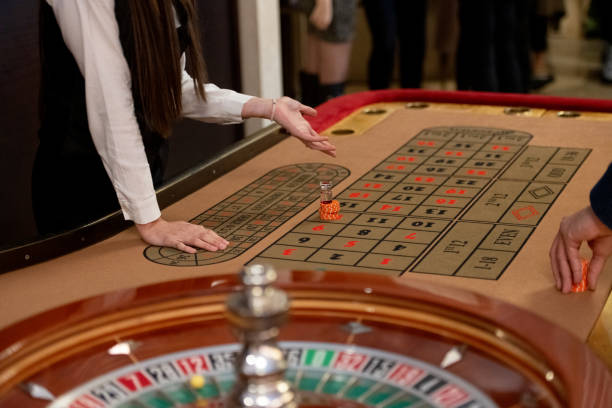
The atmosphere of a casino plays a significant role in influencing gambling behavior. Bright lights, enticing sounds, and vibrant colors create an immersive experience that captivates players. This sensory overload can stimulate excitement and anticipation, making it difficult for individuals to resist the urge to engage in gambling activities. In fact, many players seek out options like casino not on gamstop to explore different gambling environments. The design of these environments is meticulously planned to encourage prolonged play, often resulting in higher spending.
Moreover, the placement of games and the layout of casinos contribute to a psychological phenomenon known as the ‘loss of track of time.’ Gamblers often lose themselves in the thrill, forgetting about their surroundings and the actual time spent playing. This disassociation can lead to impulsive decisions, pushing individuals to gamble beyond their original intentions.
The Role of Cognitive Biases in Gambling
Cognitive biases significantly impact gambling decisions. For instance, many players exhibit the ‘gambler’s fallacy,’ where they believe that past outcomes can influence future results. This leads individuals to make irrational bets, thinking that a winning streak is due or that losses will eventually balance out. Such misconceptions can cause players to chase losses, ultimately resulting in irresponsible gambling behavior.
Another common bias is the ‘illusion of control,’ where gamblers overestimate their ability to influence random outcomes. This belief can lead to a false sense of security, encouraging players to take greater risks. Understanding these cognitive biases is critical for individuals who want to approach gambling more rationally and avoid falling into common traps.
The Impact of Social Influences on Gambling Behavior
Social factors also play a crucial role in gambling decisions. Peer pressure and social acceptance can drive individuals to gamble, as people often seek the thrill of shared experiences. Group dynamics can amplify the excitement of gambling, making it more appealing to participate in these activities in social settings. This influence can lead to increased spending and a heightened likelihood of engaging in risky behavior.
Additionally, the presence of others can enhance feelings of excitement and competition. Gambler camaraderie can create an environment where individuals feel compelled to act in ways they might not when alone, reinforcing their decisions to continue gambling even in the face of losses.
Emotional Factors and Gambling Choices
Emotions profoundly affect gambling decisions. Many gamblers use gambling as a means to escape negative feelings such as stress, anxiety, or depression. This behavior can create a vicious cycle where individuals turn to gambling to alleviate emotional distress, only to experience further anxiety due to financial losses, leading them back to the casino for temporary relief.
Moreover, the thrill of winning can produce euphoric feelings that reinforce gambling behavior. This rush of excitement can create cravings for further wins, often leading individuals to engage in excessive gambling. Recognizing this emotional connection is crucial for anyone looking to maintain a healthier approach to gambling.
Exploring Resources and Information on Gambling
Understanding the psychology behind gambling decisions is essential for making informed choices. Although various platforms may restrict access to certain resources, various sections of websites provide valuable insights into responsible gambling practices and psychological factors at play. These resources can empower individuals to navigate their gambling experiences more effectively.
By exploring available information, users can learn to recognize the psychological triggers that lead to impulsive gambling and develop strategies to mitigate risks. Educating oneself about the intricacies of gambling psychology can promote healthier habits and enhance awareness of the potential dangers associated with excessive gambling.